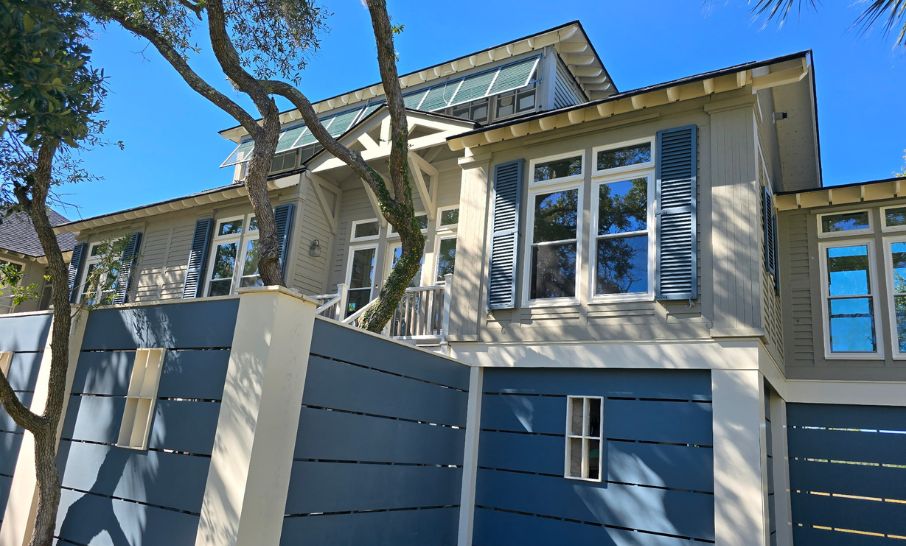
What ‘Impact-Rated’ Really Means in South Carolina
Impact-rated windows get talked about a lot in coastal South Carolina — but what they actually are, and what they’re designed to do, is often less clear. Many homeowners hear the term during a quote or see it in marketing, without knowing how “impact” is defined or why it matters for their home.
Understanding the basics helps you make better choices when it’s time to upgrade your windows.
In this blog, we’ll break down what impact-rated really means, how these windows are tested, and when they make sense for South Carolina homes.
What Makes a Window “Impact-Rated”?
“Impact-rated” isn’t just a label — it refers to windows that meet specific standards for withstanding wind-driven debris and intense pressure changes during severe storms.
In practical terms, an impact-rated window is designed to:
- Resist shattering when struck by flying debris
- Stay in its frame and remain intact under high wind pressure
- Help keep the building envelope closed during a storm
Instead of standard glass, these windows use laminated glass and reinforced frames engineered to hold together even when stressed. The goal isn’t to make windows indestructible — it’s to keep them from breaking in a way that suddenly exposes your home to wind, rain, and rapid pressure changes.
How Impact Windows Are Tested
Impact-rated windows go through testing that regular windows never see. Before they can carry an impact rating, they’re subjected to:
- Debris impact tests: A standardized projectile (often a piece of lumber) is launched at the glass at high speed to simulate wind-borne debris in a storm.
- Cyclic pressure tests: After impact, the window is exposed to repeated positive and negative pressure cycles to mimic the push-pull of hurricane-force winds.
To pass, the window has to remain intact enough that it doesn’t open up a large opening in the building envelope. The glass may crack, but the laminated layers are designed to hold together instead of breaking into dangerous pieces or leaving a gaping hole.
For South Carolina homeowners, this testing matters because it’s directly tied to how well a window can perform when a tropical storm or hurricane pushes wind and debris against your home.
Impact-Rated vs. Standard Coastal Windows
Not every window installed near the coast is impact-rated. Many homes still have standard double-pane windows that offer basic energy performance but are not designed to stand up to debris strikes.
Key differences include:
- Glass construction:
- Standard windows typically use tempered or annealed glass.
- Impact windows use laminated glass — multiple layers bonded together so the glass stays in place even when cracked.
- Frame strength and attachment: Impact-rated windows usually have reinforced frames and must be installed to specific fastening requirements so they remain anchored to the structure under load.
- What happens in a storm: A standard window that fails can shatter and open the home to high winds and water. An impact-rated unit is designed to stay in the opening and maintain the barrier, even if the outer layer of glass cracks.
Understanding this difference helps when you’re weighing cost against performance. Both types can look similar from the curb, but they don’t behave the same way in severe weather.
Why Impact-Rated Windows Matter in South Carolina
Along the South Carolina coast, storms are not just a possibility — they’re part of the long-term weather picture. That reality shapes what homes need from their windows.
Impact-rated windows can help:
- Protect the building envelope: Keeping wind and debris out reduces the risk of sudden pressure changes that can damage roofs and walls.
- Limit water intrusion: An intact opening helps keep wind-driven rain from entering as quickly or in as much volume.
- Reduce cleanup and damage after a storm: Cracked but contained laminated glass is generally less hazardous and easier to manage than shattered standard glass scattered inside the home.
For many homeowners, impact windows are part of a broader strategy that also includes strong roofing, proper flashing, and well-designed gutter and drainage systems.
Do Impact Windows Replace the Need for Shutters?
Impact-rated windows and storm shutters both exist to help protect openings during severe weather, but they work differently.
- Impact-rated windows: Always “on,” with protection built into the unit itself. No extra setup before a storm, but higher upfront investment.
- Shutters or panels: Add-on protection installed over standard windows when a storm is coming. Lower initial cost for the glass itself, but they require storage, installation time, and physical effort whenever they’re needed.
Some homeowners choose impact-rated windows so they don’t have to install shutters before every storm. Others combine both in especially exposed areas.
The right choice depends on your home, budget, and how hands-on you want to be with storm prep.
Are Impact Windows More Energy Efficient?
Impact-rated windows are not automatically more efficient just because they’re impact-rated.
However, many modern impact-rated products are built with:
- Low-E coatings
- Insulated glass units
- Tighter seals and higher-quality frames
That combination means they often deliver meaningful improvements in comfort and energy performance compared to older or builder-grade windows. When you’re evaluating options, it’s worth looking at both the impact rating and the energy performance ratings together.
When Impact-Rated Windows Make Sense
Impact-rated windows are especially worth considering if:
- You live in a coastal or wind-prone area of South Carolina
- Your current windows are older, damaged, or no longer sealing properly
- You want to reduce reliance on temporary storm panels
- You’re planning a larger exterior upgrade and want your windows to match the level of protection you’re investing in elsewhere
They are not the only option for every home, but they are one of the most effective ways to add built-in protection at every opening.
Choosing Impact-Rated Windows for Your Home
If you’re thinking about impact-rated windows, it helps to work with a team that understands both the product and the local conditions it needs to handle. That includes:
- Reviewing which openings are most exposed
- Matching styles and frame materials to your home
- Making sure installation meets the required standards so the rating actually means something in real-world conditions
At Top Tier Gutters & Windows, we help South Carolina homeowners compare standard and impact-rated window options, understand where each makes the most sense, and choose products that align with both performance needs and design preferences.
If you’re unsure whether impact windows are the right fit for your home, a conversation with a knowledgeable installer can give you the clarity you need to decide. Reach out to learn more.