Color is one of the most visible choices you’ll make for your home’s exterior — but in a hot, coastal climate like Charleston, it does more than set the mood. The right siding color can help manage heat, hide everyday grime, and withstand intense sun, salt air, and storms. The wrong one can fade fast, show every streak, and make your home harder to keep comfortable year‑round.
If you’re considering new siding for your Lowcountry home, this blog explores popular siding colors that work with coastal light, humidity, and heat.
Light, Sun‑Reflective Colors Do the Most Work
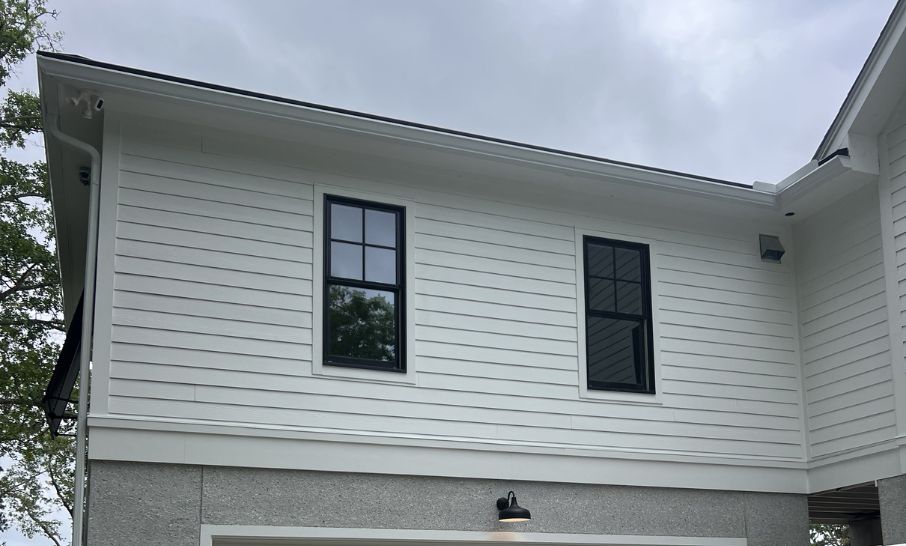
Lighter siding colors are more than an aesthetic choice — they’re a practical one. Soft whites, creams, and pale grays reflect more of the sun’s rays than darker shades, helping keep exterior walls cooler and reducing the workload on your HVAC system. That effect is subtle on its own, but over the life of the home, it adds up.
Light colors also tend to fade more gracefully in strong UV light. Dark blues, deep grays, and rich browns can look great on day one, but in a coastal environment, they often show chalking, streaking, or uneven fading sooner than homeowners expect.
Warm Neutrals Work Better Than Stark White
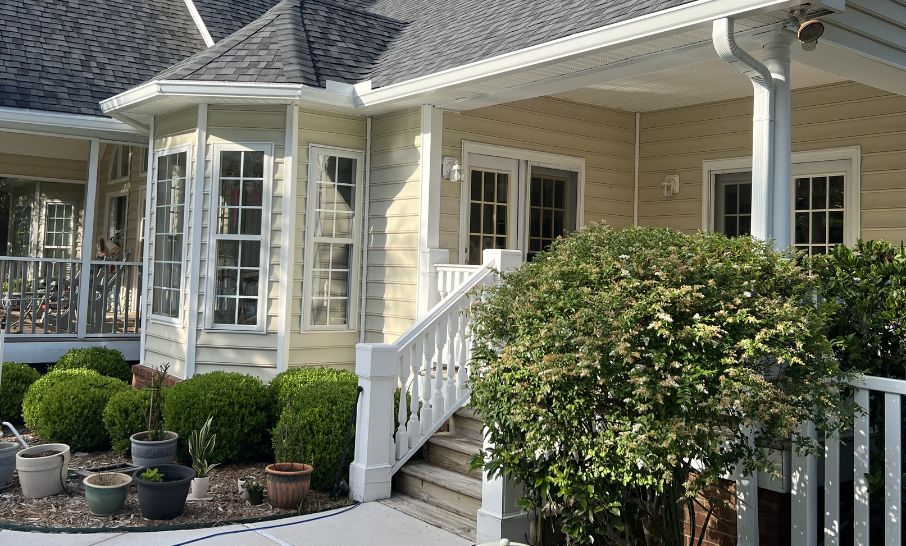
Stark, bright white siding can look good in photos, but under Charleston’s intense sun, it can be harsh and unforgiving. Warm neutrals like cream, almond, linen, or light sand soften the look while still giving you the benefits of a light, reflective color. They also pair well with a wide range of trim, shutter, and roof colors, which matters if you plan other exterior remodeling services later.
Warm neutrals tend to hide minor imperfections better than pure white. Slight dirt, insect marks, and the inevitable salt film that builds up near the coast are less obvious on a soft cream than on a blinding white panel. That means your home looks freshly maintained longer between washes.
Grays and Greiges That Don’t Trap Heat
Gray siding is popular for a reason, but in a hot coastal climate, not every gray is a good fit. Charcoal and deep slate tones can absorb a lot of heat, which is hard on both your comfort and your siding materials. Mid‑tone and lighter grays, especially those with a hint of warmth (greige), strike a better balance.
These softer grays still give you that updated, coastal‑modern look without turning your exterior into a heat sink. They also complement existing elements many Charleston‑area homes already have, such as red or brown brick accents, black or bronze window frames, and popular roof colors like weathered wood or driftwood.
Colors That Hide Humidity, Dirt, and Salt
In a humid, storm‑prone climate, your siding will see more than its share of wind‑blown dirt, algae, and salt residue. Some colors forgive that reality better than others. Mid‑tone shades that sit between very light and very dark tend to be the most forgiving — think light taupe, soft khaki, or weathered driftwood.
Extremely light colors can show mildew shadows and water streaks more readily, while very dark colors show chalking and salt streaks. Choosing a color with a bit of variation also helps disguise the minor staining and wear that naturally develop between cleanings.
Blues and Greens That Feel Coastal
Coastal blues and greens are a natural draw in a beach‑adjacent market, but they’re easy to overdo. The most successful choices usually lean muted rather than bright. Think soft blue‑gray, sea glass, or sage green instead of primary blue or neon teal. These tones echo the marshes, sky, and water without making your home the most noticeable one on the block.
Muted coastal colors tend to age more gracefully and coexist nicely with neighborhood aesthetics and HOA guidelines. Paired with white or cream trim and a natural wood or dark door, they feel intentional and timeless rather than trendy or loud.
Trim and Accent Colors That Keep Things Balanced
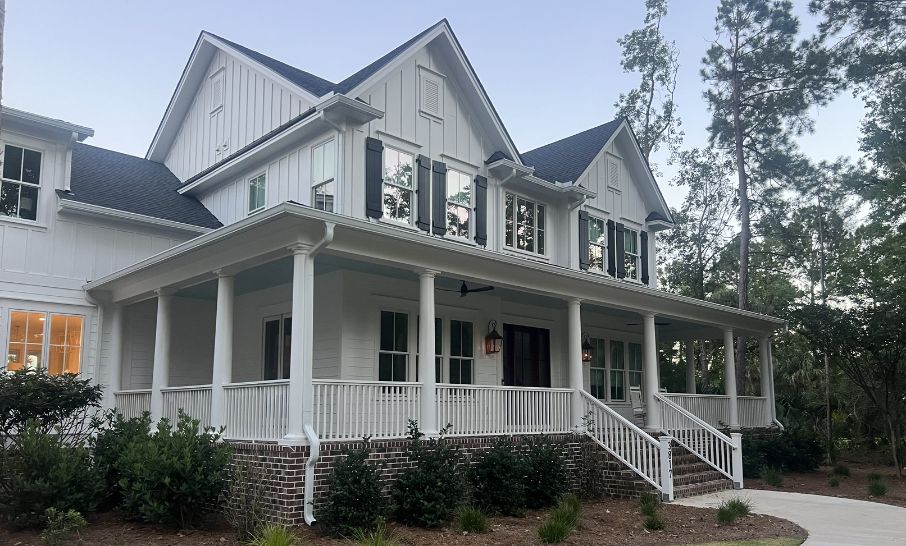
Even if you stay conservative with your main siding color, trim and accents give you room to add character. High‑contrast pairings like dark trim on very light siding can look great, but will demand more from your materials over time. Dark paint absorbs more heat, contributing to faster fading and more expansion and contraction.
A softer contrast — light or mid‑tone siding with off‑white trim — and a deeper door color often provide homeowners a more durable, low‑maintenance result. It also leaves you room to refresh the look later by changing the front door, shutter, or gable accent colors without replacing the existing siding.
Think Beyond Today’s Roof and Windows
When you choose a color for siding in Charleston, it’s tempting to design only around what you see today. But in a coastal environment where roofing and windows are eventually upgraded for performance, it pays to think ahead.
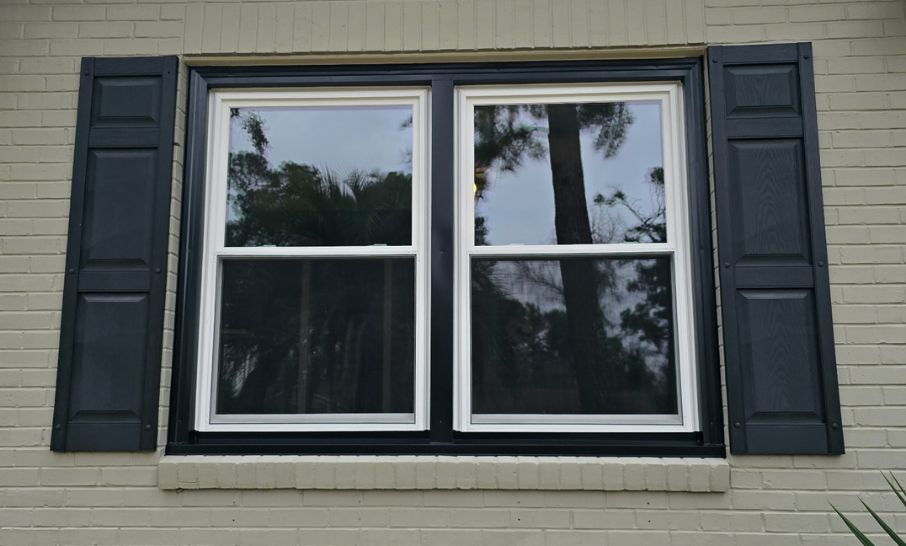
If your current roof is nearing the end of its life, it’s smart to choose a siding color that works with both your existing roof and the cooler, more reflective roof colors many homeowners are now choosing. The same goes for windows — light siding with versatile trim pairs well with both white frames and the black or bronze frames that are popular in modern replacements.
Choosing the Right Color for Your Charleston Siding Installation Services
The best siding color for a hot, sunny, coastal climate is one that works with the light. In Charleston, that usually means lighter, warmer, and more forgiving shades that reflect heat, hide everyday wear, and complement common architectural styles. Bolder tones can work, but they should be used thoughtfully and with an eye toward long‑term maintenance and fading.
From vinyl siding to Hardie Plank and composite siding — Top Tier Home Improvement can help you choose a color palette that suits your siding project, boosts curb appeal, and withstands the Lowcountry’s coastal climate.
Contact us to learn more about siding options, professional installation, and siding replacement services in Greater Charleston, SC, including North Charleston, Mount Pleasant, West Ashley, James Island, Wadmalaw, and surrounding areas.