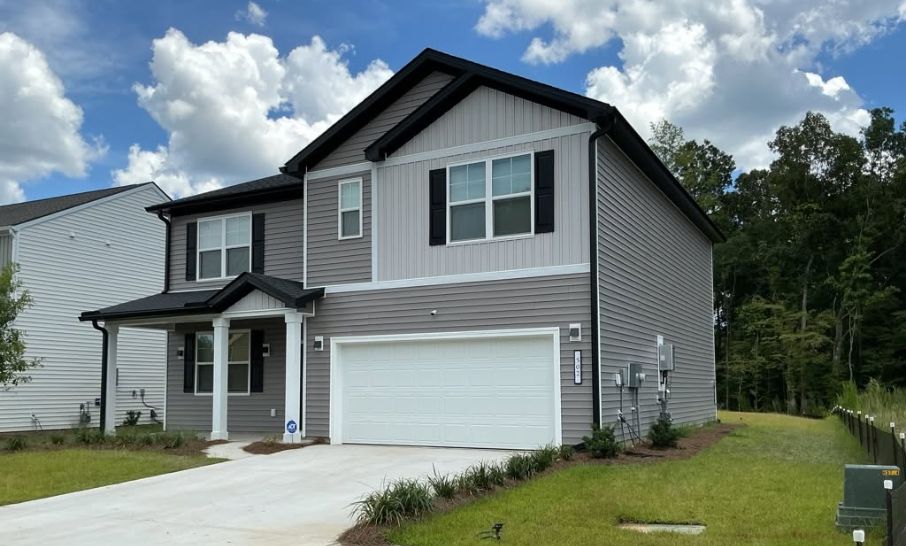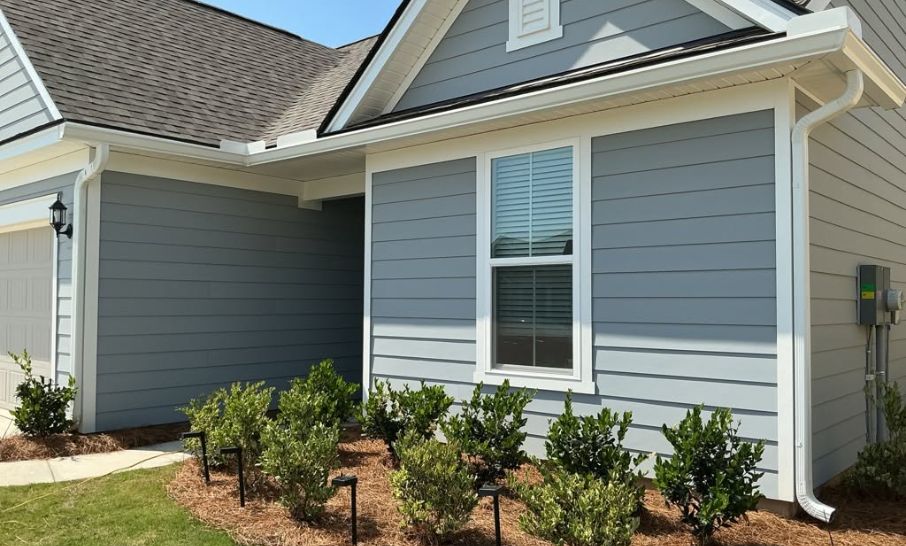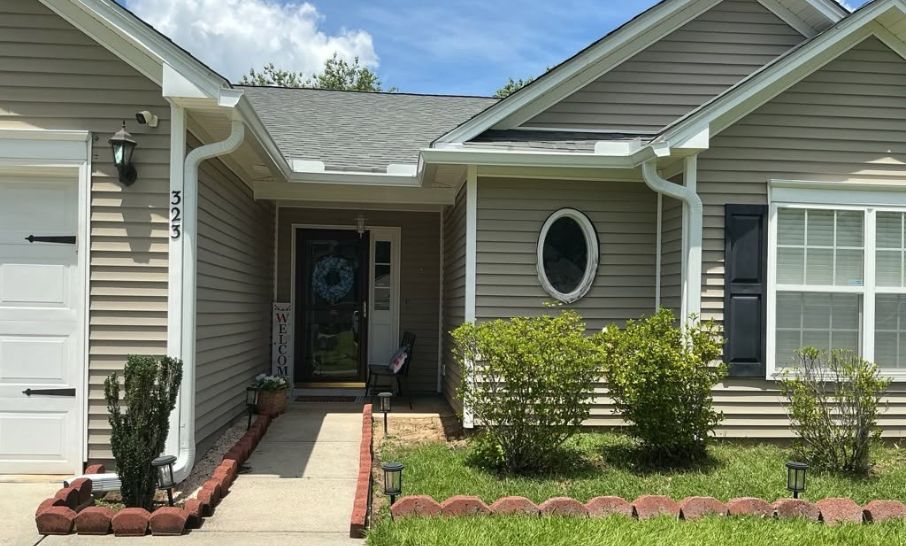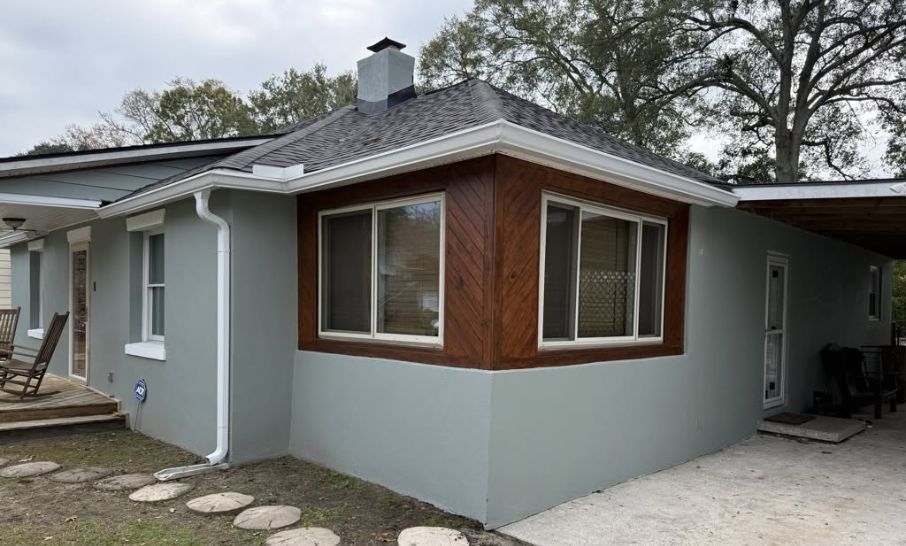
Charleston gutters face conditions that can be especially demanding: frequent rain, high humidity, coastal salt air, heavy tree cover, and seasonal storms.
While gutters may seem like a simple part of a home’s exterior, they are responsible for moving large volumes of water safely away from the roofline and foundation. When they corrode, clog, sag, or leak, water can end up where it does not belong. Understanding how coastal weather affects gutter systems can help homeowners spot concerns early and make smarter decisions about maintenance, repairs, and replacement.
At Top Tier Home Improvement, we help Charleston-area homeowners protect their properties with gutter systems designed to perform in Lowcountry conditions.
Salt Air and Metal Corrosion
Homes near the coast are exposed to salt-laden air, which can accelerate corrosion on certain metal components. Over time, salt and moisture can contribute to rust, surface deterioration, and weakening of gutters, fasteners, brackets, and connections.
Even homeowners who do not live directly on the shoreline may experience the effects of humid coastal air. The risk can be greater for lower-quality metal systems, damaged finishes, or areas where water regularly sits inside the gutter. Scratches, peeling coatings, and small areas of exposed metal should not be ignored, because they may give corrosion a place to begin.
Choosing quality materials and maintaining protective finishes can help extend a gutter system’s useful life. Regular inspections allow you to identify early signs of corrosion before they become holes, leaks, or structural failures.
Heavy Rain Stresses Every Joint
Charleston’s summer thunderstorms can drop a large amount of rain in a short period. A gutter system must be properly sized, pitched, and supported to manage that water. When rain falls faster than the system can drain, water may overflow over the front edge or back up toward the roofline.
Sectional gutters are particularly vulnerable at their joints. Each seam depends on sealant and fasteners to stay watertight. As those materials age, heavy rainfall can expose small leaks or separation points. Water escaping from those locations may stain fascia boards, run down siding, or contribute to erosion below the roof edge.
Custom seamless gutters reduce the number of joints along straight sections, which can help reduce common leak points. Properly placed and sized downspouts are equally important because they provide a path for water to exit the system efficiently.
Humidity Encourages Organic Buildup
High humidity creates favorable conditions for algae, mildew, and organic material to develop in neglected gutters in Charleston. Leaves, pine needles, pollen, seed pods, and roof grit can trap moisture inside the gutter channel. Over time, that debris may break down into a dense material that blocks water flow.
Clogs can cause water to spill over the side of the gutter or pool near the roofline. They can also add unnecessary weight, which may contribute to sagging or pulling away from the fascia. Downspouts are especially important to check because even a well-maintained gutter cannot drain properly through a blocked downspout.
Routine cleaning and seasonal inspections are the best way to control buildup. Homes with significant tree coverage may need attention more often than homes with open rooflines. Gutter guards may help limit debris entry, but they still require occasional inspection and surface cleaning.
Wind and Storm Debris Add Extra Stress
Tropical systems and strong thunderstorms can place sudden strain on a gutter system. High winds can blow branches, leaves, and other debris onto the roof, while heavy rain can send that material into gutters and downspouts. Loose hangers, weak seams, or existing sagging can become more noticeable after a major storm.
After severe weather, walk around the property and look for gutters pulling away from the home, standing water, loose downspouts, overflowing sections, or debris packed near outlets. Avoid climbing onto the roof or doing ladder work if you are not equipped to do so safely. A professional inspection can identify damage that may not be visible from the ground.
Choose Materials Built for the Coast
Material selection matters for any Charleston gutter replacement. Aluminum is a popular option because it is lightweight, durable, and does not rust like steel. A quality finish and proper installation can also help support long-term performance.
The gutter profile, size, placement, and number of downspouts should be based on your roofline and drainage needs. A system that is too small or poorly pitched may overflow even if it is made from a durable material. Professional installation helps ensure the gutters are securely fastened and configured to move water away from the home.
Maintain Your Gutters Year-Round
The best way to protect your gutters is through consistent attention. Clean out debris, check for standing water, inspect seams and corners, confirm that downspouts are secure, and make sure water is discharged away from the foundation. Schedule extra inspections after major storms or when you notice overflow during rain.
Do not wait until you see interior water damage or major erosion to address a gutter issue. Small repairs are often easier to manage before a worn gutter system becomes a larger exterior problem.
If your gutters are repeatedly leaking, sagging, corroding, or overflowing, a replacement assessment can help determine whether a seamless system is the right solution.
Frequently Asked Questions
Salt air, high humidity, heavy rain, organic debris, and storm exposure can all place added stress on gutter materials, coatings, joints, and fasteners. Regular maintenance and quality installation are especially important in coastal environments.
Common signs include recurring leaks, rust or corrosion, cracks, separated seams, sagging sections, peeling finishes, water overflow, and gutters pulling away from the fascia.
Aluminum is a common choice because it is lightweight and rust-resistant. Long-term performance also depends on the quality of the material and finish, correct installation, proper drainage design, and consistent maintenance.
Inspect gutters at least twice a year, commonly in spring and fall, and after major storms. More frequent attention may be needed for homes under heavy tree cover or in areas with substantial pine needles and debris.
Gutter guards can help reduce debris buildup inside the gutter system, which may support better water flow and reduce cleaning frequency.
Give your gutters a fighting chance against Charleston’s coastal weather. Contact Top Tier Home Improvement today.