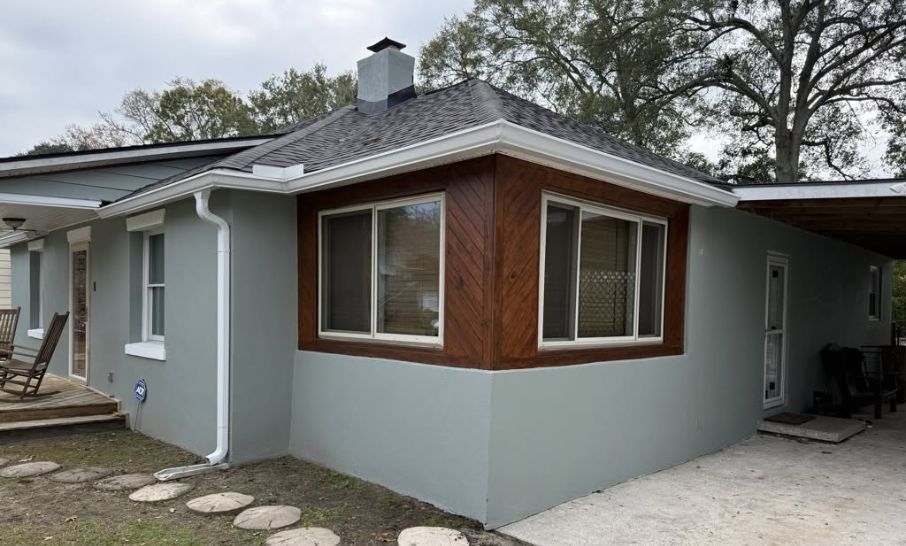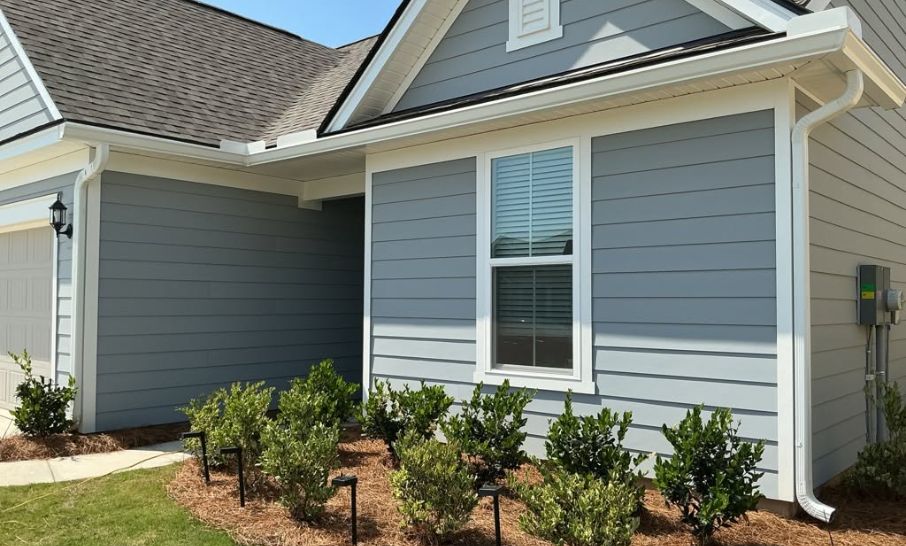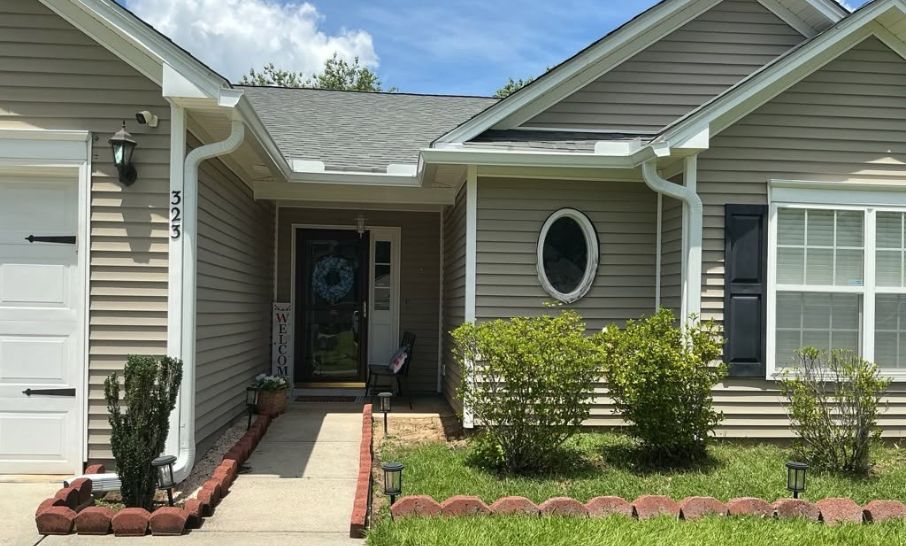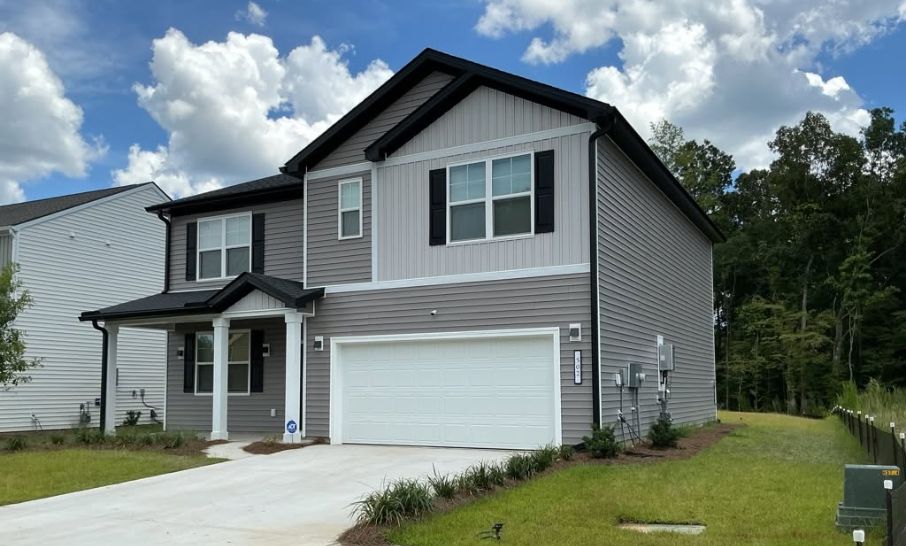
Buying your first home in Charleston is exciting, but it also comes with a long list of responsibilities that can feel overwhelming.
Between moving costs, furnishing rooms, and getting settled into a new neighborhood, exterior updates can easily be pushed aside. Still, a few strategic improvements during the first several years of ownership can help you avoid larger repair bills, improve day-to-day comfort, and better prepare your home for Lowcountry weather.
Charleston homes face conditions that make exterior maintenance especially important. Heavy rain, humidity, salt air in coastal areas, strong summer storms, and hurricane-season winds can expose weaknesses in gutters, windows, siding, and trim. The key is not to renovate everything immediately. Instead, create a practical plan that prioritizes protection, performance, and your available budget.
At Top Tier Home Improvement, we help homeowners understand which exterior improvements deserve attention first and which projects can be planned for later.
Year One: Inspect What You Inherited
Your priority after closing should be understanding the condition of the exterior systems already in place. A home inspection provides helpful information, but it may not reveal every issue that becomes visible after a few weeks of living in the home or after the first major storm.
Take time to inspect your gutters, downspouts, windows, siding, trim, and roof edges. Look for overflowing or sagging gutters, water stains, loose siding panels, drafty windows, damaged caulk, peeling paint, or areas where water collects near the foundation. These concerns may be minor on their own, but addressing them early can help prevent them from becoming more expensive repairs.
It is also helpful to note the age and condition of major exterior components. If the home has original windows, older sectional gutters, or siding that has been patched several times, you may want to start planning for replacement even if immediate work is not required.
Years One Through Two: Address Storm Vulnerabilities
For Charleston homeowners, storm readiness should be an early consideration. Severe weather can test every part of an exterior, particularly areas where water or wind can find a way inside. Before hurricane season, make sure gutters and downspouts are clear, securely attached, and directing water away from the home.
Inspect window seals, frames, locks, and weatherstripping. Windows that are difficult to operate, visibly damaged, or poorly sealed may allow wind-driven rain and drafts into the home. If your property does not have impact-rated windows, make a plan for how you will protect windows when severe weather is forecast.
Siding and trim should also be checked for loose panels, cracks, open seams, and deteriorated caulk. Strong winds can worsen small exterior defects, while wind-driven rain can get behind siding and contribute to moisture damage.
Addressing these items before a named storm is on the way is easier than trying to schedule repairs during a busy storm season.
Years Two Through Three: Upgrade Aging Gutters
Gutters are easy to overlook until they fail. Yet they play an essential role in moving rainwater away from the roofline, siding, landscaping, and foundation. If your new home has older sectional gutters with multiple seams, recurring leaks, rust, sagging sections, or frequent overflow, it may be time to consider an upgrade.
Custom seamless gutters are formed to fit your roofline and have fewer joints along straight sections. Fewer seams can mean fewer common locations for leaks and debris buildup. When paired with properly placed downspouts, a seamless system can provide a more reliable drainage solution for a Charleston home.
Gutter guards may also be worth considering if your property has mature trees, pine needles, or frequent leaf buildup. Guards do not make gutters maintenance-free, but they can reduce the amount of debris that enters the system and help make regular upkeep more manageable.
Years Three Through Five: Consider Window Replacement
Replacement windows can be a meaningful investment, but they may be the right next step if the home’s existing windows are drafty, fogged between panes, difficult to open, or showing signs of frame damage. New windows can improve comfort, help reduce outside noise, and provide a more polished appearance inside and out.
For homes in the Charleston area, impact-rated windows may be worth discussing. These windows use laminated glass designed to help hold together when struck by windborne debris. In addition to storm protection, many options include energy-efficient glass packages and improved seals that can support more consistent indoor temperatures.
The right window choice depends on your home’s layout, exposure, budget, design preferences, and local requirements. A professional consultation can help you compare standard replacement windows with impact-rated options and determine what makes sense for your priorities.
Build a Practical Exterior Budget
A strong first-five-years plan does not require doing every project at once. Start by addressing active problems that could cause water intrusion or property damage, then move toward upgrades that improve long-term performance and curb appeal.
For example, repairing a leaking gutter or sealing a damaged window should usually take priority over a purely cosmetic update. Once basic protection is in place, you can plan larger projects — such as seamless gutters, gutter guards, replacement windows, or siding improvements — based on your timeline and budget.
Keep records of inspections, repairs, warranties, and installation details. This information can be useful when planning future work, filing an insurance claim, or preparing to sell the home later.
Frequently Asked Questions
Start with issues that can allow water into or around the home, including damaged gutters, poor drainage, worn window seals, loose siding, and deteriorated caulk. After those concerns are addressed, prioritize projects that improve storm preparedness and long-term durability.
Replace gutters when they have widespread leaks, rust, sagging, separated seams, frequent overflows, or poor drainage. If the system is generally sound, a professional cleaning, repair, and inspection may be enough for the short term.
Impact windows can be worth considering for homeowners who want built-in storm protection and may value benefits such as improved noise reduction and energy performance.
Gutter guards can reduce the amount of debris inside a gutter system and may lower cleaning frequency, but homeowners should still inspect their gutters and downspouts regularly.
A phased plan is often the most practical approach. Focus first on active leaks, water-management concerns, and storm vulnerabilities, then schedule major upgrades as your budget and priorities allow.
New to homeownership in Charleston? Contact Top Tier Home Improvement to plan your exterior upgrade priorities.