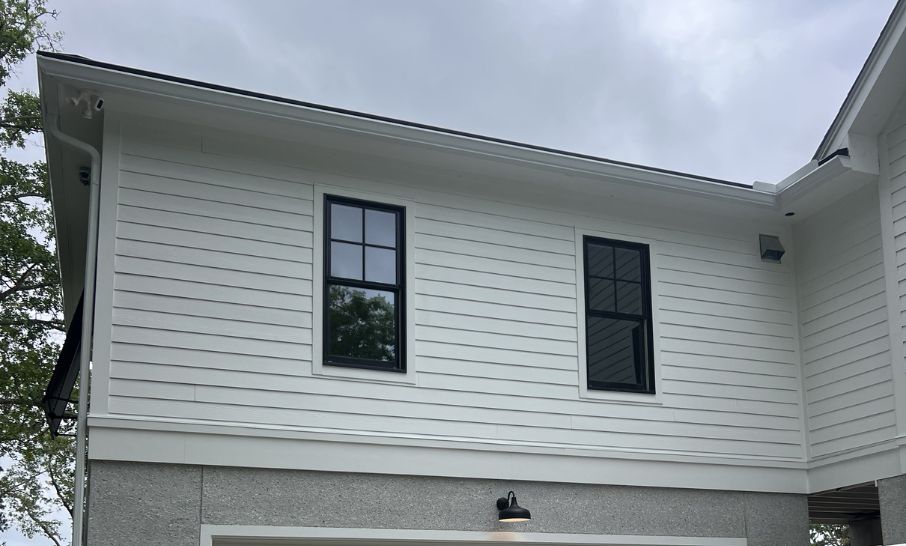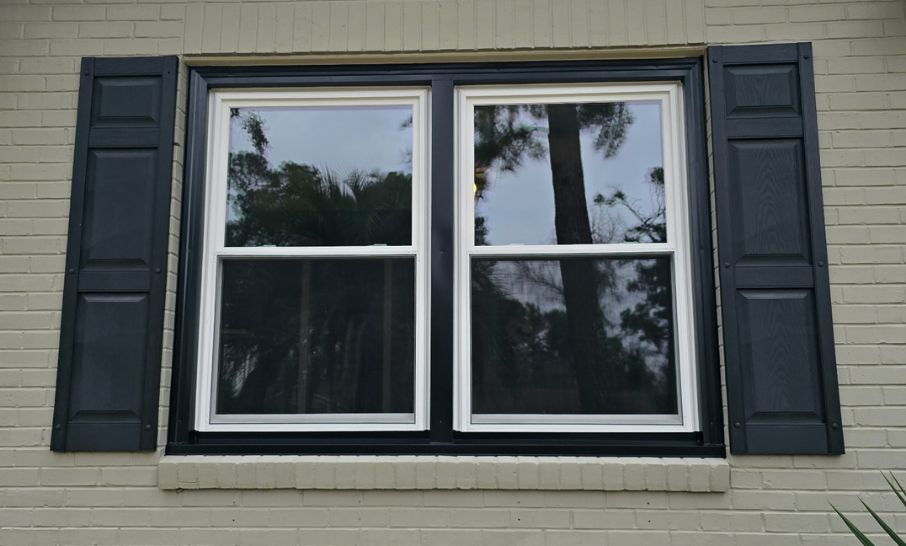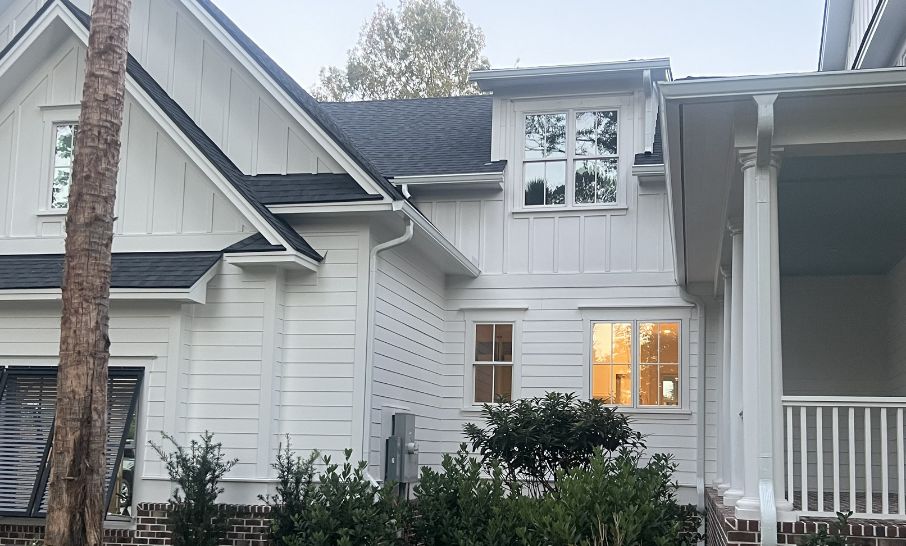
Living near the coast is great for your lifestyle but tough on your siding. Sun, salt air, humidity, and wind-driven rain all work together to wear down exterior materials faster than they would inland. A simple, repeatable siding maintenance routine can help you catch small issues early and extend the life of your exterior.
Use this coastal siding maintenance checklist as a practical guide for keeping your home looking sharp and better protected year-round.
1. Do a Twice-Yearly Visual Walkaround
At least twice a year — often spring and fall —walk the entire perimeter of your home and look closely at your siding.
Check for:
- Cracks, chips, or holes in panels or boards
- Loose, warped, or bowed sections
- Gaps where siding meets trim, windows, and doors
- Exposed nail heads or fasteners backing out
- Any areas where the siding no longer lies flat against the wall
Make notes or take photos of anything that looks out of place. Small irregularities are easier and cheaper to address than widespread failure.
2. Look for Early Moisture Warning Signs
Coastal humidity and wind-driven rain can push moisture into places it doesn’t belong. Your siding is one of the first lines of defense, so watch for:
- Repeated peeling or bubbling paint in the same areas
- Soft, spongy spots when you press gently on certain sections
- Dark streaks, water lines, or unusual discoloration on the siding
- Persistent mildew growth that returns quickly after cleaning
These can all be early signs that moisture is getting behind the siding rather than staying on the surface. Catching this early often prevents more serious rot or structural damage later.
3. Clean Siding Safely Once a Year
Dirt, salt, pollen, and mildew can all shorten the life of your siding if left alone. An annual, gentle cleaning helps protect both appearance and performance.
General tips:
- Start with a garden hose and soft brush or siding-safe cleaning tool
- Use a mild, manufacturer-approved cleaning solution — avoid harsh chemicals unless specifically recommended
- Rinse from top to bottom to prevent streaking
- Be cautious with pressure washers; too much pressure or incorrect angles can force water behind the siding or damage the surface
The goal is to remove buildup without damaging finishes or driving water into seams.
4. Clear Vegetation Away from the Exterior
Landscaping that looks great from the street can still be a problem if it’s too close to your siding.
Make sure to:
- Trim shrubs and plants so they don’t touch the siding
- Remove vines or growth climbing up exterior walls
- Keep mulch and soil from building up against the base of the siding
Allowing air to circulate around the home helps siding dry faster after rain and reduces areas where moisture and pests can collect.
5. Inspect Caulking and Sealant Lines
Coastal heat and humidity cause expansion and contraction that can wear out caulking over time.
Focus on:
- Joints where siding meets trim, windows, and doors
- Vertical seams or panel joints on certain siding systems
- Penetrations for vents, hose bibs, and utility lines
If you notice cracked, missing, or separated caulk, it’s time to have those areas resealed. Keeping these transitions tight is a key part of preventing water intrusion.
6. Pay Attention After Heavy Storms
Not every storm will cause damage, but a quick check afterward helps you catch problems before they grow.
After major wind or rain:
- Walk around the home and look for newly loose or shifted siding
- Check for fresh cracks, chips, or impact marks
- Note any changes in staining or water patterns on the siding
- Inspect areas around downspouts and rooflines where runoff is heaviest
If something looks different than it did before the storm, it’s worth taking seriously — even if it seems minor.
7. Monitor High-Exposure Areas More Often
Some parts of your home are under more stress than others, especially near the coast.
Keep a closer eye on:
- Sides of the home that take the brunt of wind and rain
- Upper levels and gable ends that are harder to see from the ground
- Walls below roof valleys, where more water may shed
- Areas near decks, porches, and outdoor showers where water and traffic are more frequent
These are often the first places where siding issues show up.
8. Watch for Interior Clues
Not all siding problems show up outside first. Interior changes can point to exterior issues.
Inside, look for:
- Peeling or bubbling paint on walls that back up to exterior siding
- Warped or swollen baseboards along outside walls
- Musty odors in specific rooms, especially after rain
If these symptoms line up with an exterior siding section you’re already concerned about, it’s time for a closer look.
9. Plan for Repairs Before They Snowball
Small siding issues rarely stay small in a coastal climate. When you see something concerning, it’s better to address it than wait for it to get worse.
Good times to call in a professional:
- You find soft or spongy sections when you press on the siding
- Cracks, gaps, or warping cover more than just a small area
- You’ve repainted the same trouble spots multiple times
- Interior symptoms (like recurring wall damage) match exterior concerns
Prompt repairs can often extend the life of your existing siding and prevent more invasive, expensive work down the road.
10. Consider When It’s Time for Replacement
Even with excellent maintenance, siding in coastal environments doesn’t last forever. It may be time to think about full or partial replacement if:
- Damage or deterioration is widespread, not isolated
- You’re seeing repeated moisture problems despite repairs
- The siding is nearing or past its expected service life
- You want better performance, lower maintenance, or an updated look
Replacing older siding with a modern, coastal-appropriate product can dramatically improve both the look and resilience of your home.
Protecting Your Coastal Home with the Right Siding Partner
A simple siding maintenance checklist goes a long way, but you don’t have to figure out every issue on your own. If you’re seeing signs of wear, repeated paint problems, or potential moisture intrusion, it’s worth getting a professional opinion before the damage spreads.
A Charleston siding specialist who understands coastal conditions can:
- Identify whether a problem is surface-level or structural
- Recommend targeted repairs or full replacement when appropriate
- Help you choose siding materials designed for humidity, salt air, and storms
- Ensure details like flashing, caulking, and integration with windows and trim are handled correctly
Contact us for all your Charleston maintenance and repair needs.