Choosing new siding is one of the bigger exterior decisions a homeowner can make. Get it right, and you’ll have decades of low-maintenance protection. Get it wrong, and you’ll be dealing with warped panels, moisture problems, or a look that doesn’t hold up as you expected.
In Charleston, that decision comes with a specific set of conditions: salt air, high humidity, heavy summer rain, and long stretches of intense heat. Not every siding material handles those conditions equally well. Vinyl and fiber cement siding are the two most common choices here — and both have real advantages depending on your priorities.
Here’s an honest breakdown of how they compare so you can make a decision that works for your home and your budget.
Vinyl siding has been a go-to choice for decades, and it’s still one of the most widely installed materials on the market. The main reasons: it’s affordable, low-maintenance, and holds up reasonably well in most climates.
Vinyl doesn’t rot, doesn’t need to be painted, and resists moisture at the surface level. In a humid environment like Charleston, that surface resistance matters. You’re not dealing with the same paint-peeling or rot concerns you’d have with wood.
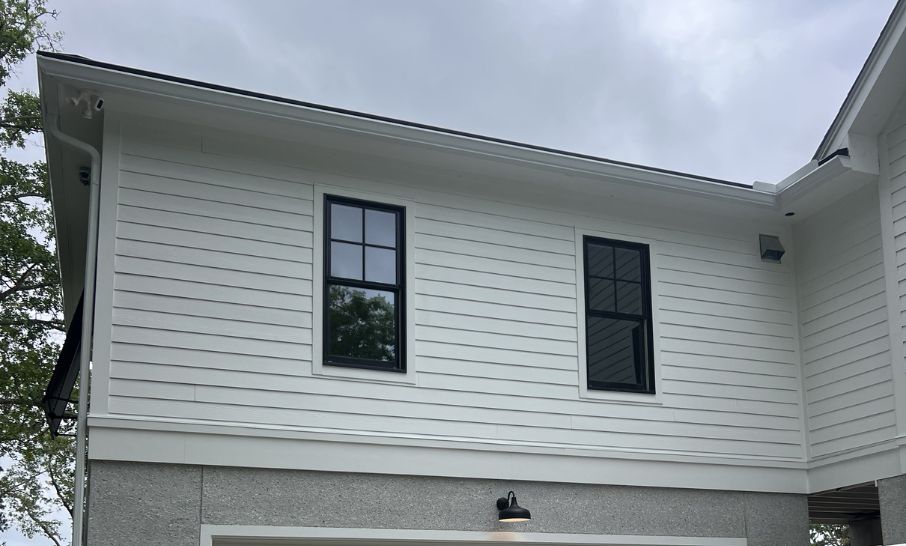
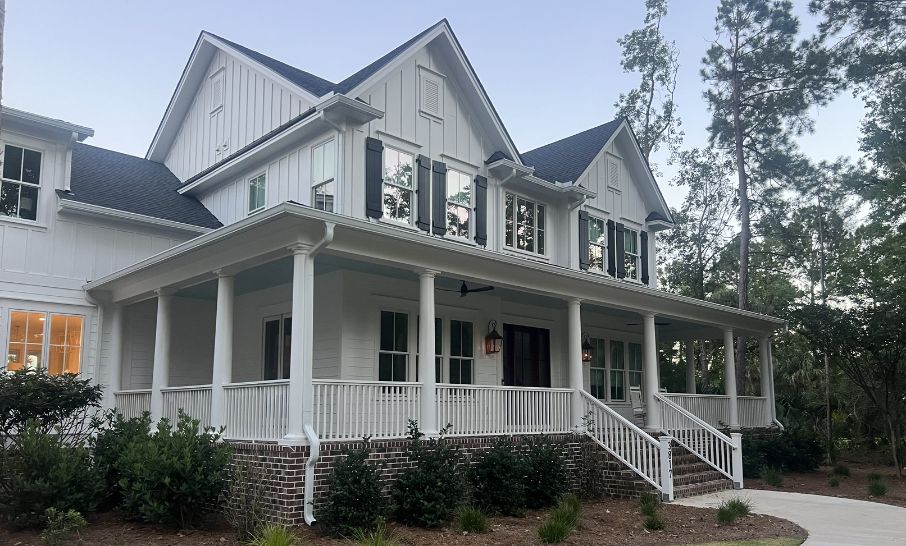
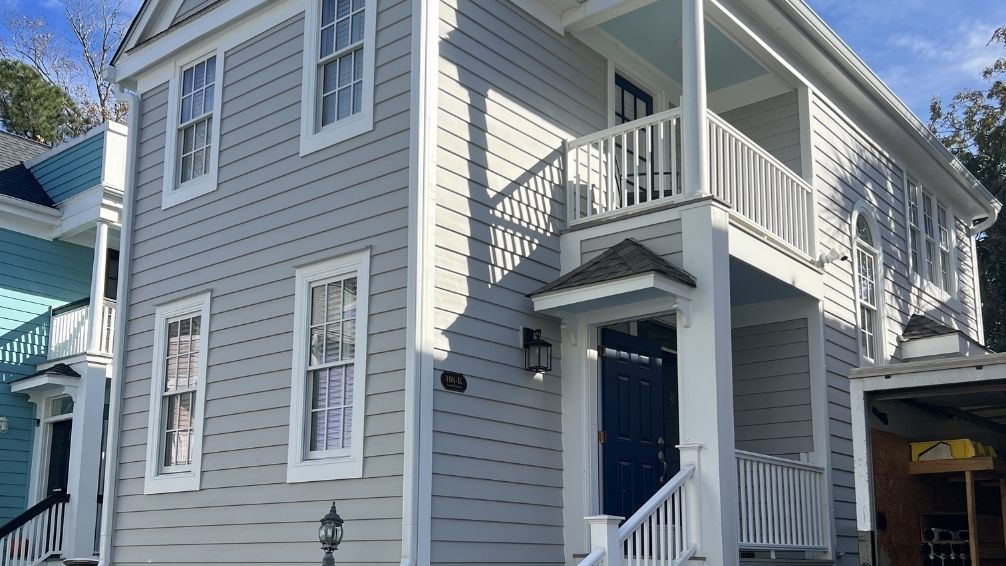
Modern vinyl comes in a wide range of colors and profiles, including styles that mimic wood grain or traditional lap siding. For many homeowners, the appearance difference between vinyl siding and fiber cement siding has narrowed significantly over the past ten to fifteen years.
The trade-off with vinyl is in its long-term performance in extreme conditions. In high heat, vinyl can warp or buckle — especially on south- and west-facing walls that take the brunt of afternoon sun. In Charleston’s summers, that’s a real consideration.
Vinyl is also more vulnerable to impact damage than fiber cement. Hail, windblown debris, and even accidental strikes can crack or dent panels in ways that require replacement. And while vinyl handles moisture on the surface, it’s not as forgiving if water finds its way behind the panels.
Fiber cement, like HardiePlank, has built a strong reputation in coastal markets specifically because of how it handles heat, humidity, and salt air. It’s made from a mix of cement, sand, and cellulose fiber, which gives it a density and durability that vinyl doesn’t match.
Fiber cement doesn’t warp in the heat, doesn’t crack in cold, and stands up to impact significantly better than vinyl. It’s also non-combustible, which can be a factor for homeowners concerned about fire resistance.
From a curb appeal standpoint, fiber cement holds paint exceptionally well. Manufacturers like James Hardie offer pre-finished options with color warranties that can last fifteen years or more. For homeowners who want a specific look and want it to hold, this matters.
Fiber cement is more expensive upfront, both in material cost and labor, since it’s heavier and more involved to install correctly. On average, you’ll pay meaningfully more per square foot than vinyl, and installation typically takes longer.
It also requires more maintenance than vinyl over its lifetime. Fiber cement needs to be repainted every ten to fifteen years, and any caulking around joints and trim should be inspected and refreshed periodically. It’s still far less demanding than wood, but it’s not entirely hands-off.
Honestly, both materials can work well in the Charleston market when properly installed. The right choice depends on your priorities.
If budget is the primary concern and you want something that requires almost no upkeep over the years, vinyl is a practical, proven option. Quality vinyl from a reputable installer holds up well in most residential applications here.
If longevity, appearance, and long-term performance in coastal conditions are the priority — and you’re willing to invest more upfront — fiber cement is hard to argue with. It handles the specific stresses of the Lowcountry better over a twenty-to-thirty-year horizon, particularly on homes with significant sun exposure or direct salt air proximity.
Fiber cement resists moisture damage better over the long term, particularly when installed with proper flashing and sealing. In a humid coastal environment like Charleston’s, that added resistance makes a difference over twenty or thirty years.
When properly installed with quality materials. Vinyl handles surface moisture well, doesn’t require painting, and performs reliably in most residential applications.
HardiePlank is a James Hardie brand product. It’s specifically engineered for regional climates—James Hardie offers a Coastal product line designed to handle salt air and high humidity. HardiePlank is the most commonly installed fiber cement in the Charleston area.
Quality vinyl siding typically lasts twenty to forty years, depending on installation quality and sun exposure. Fiber cement siding can last fifty years or more with proper maintenance, and HardiePlank carries a thirty-year limited warranty.
Fiber cement, particularly HardiePlank, tends to carry more appeal with buyers and appraisers in the Charleston market, especially on mid-range to higher-end homes. Both are significant upgrades over aging wood or deteriorating original siding.
There’s no single right answer between vinyl and fiber cement — only the right answer for your specific home, budget, and plans. The best outcome usually comes from talking through your priorities with a siding replacement contractor who knows how these materials actually perform in the Lowcountry.
Top Tier Home Improvement installs both vinyl and fiber cement siding across the Charleston area. If you’d like to talk through which option makes sense for your home, we’re happy to take a look. Request a free estimate.