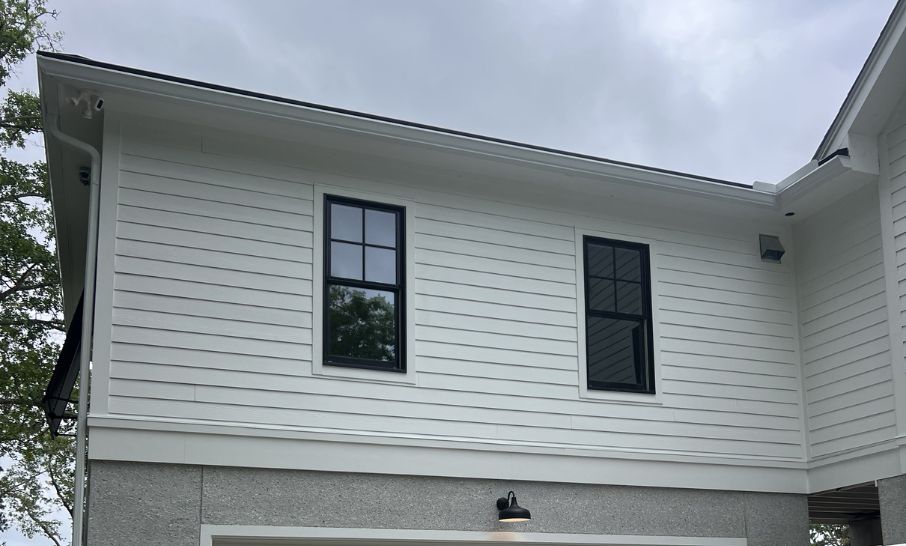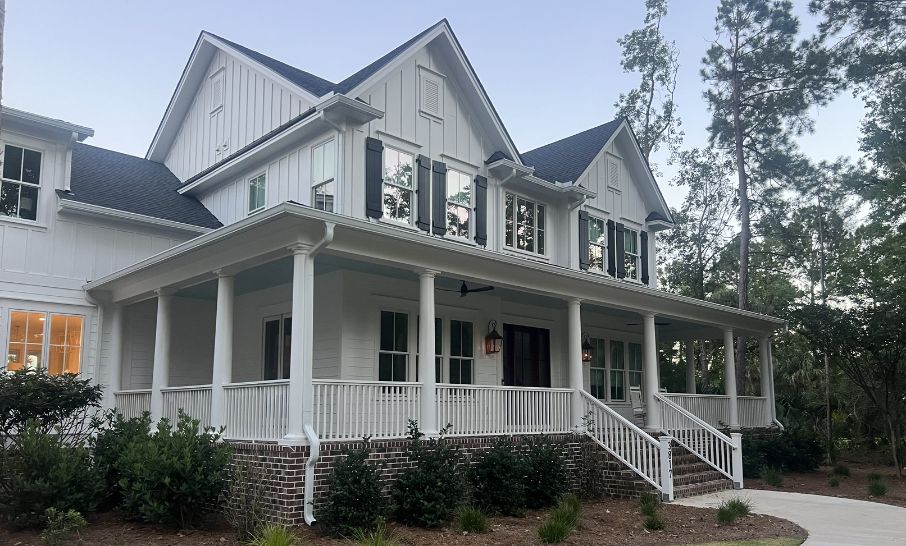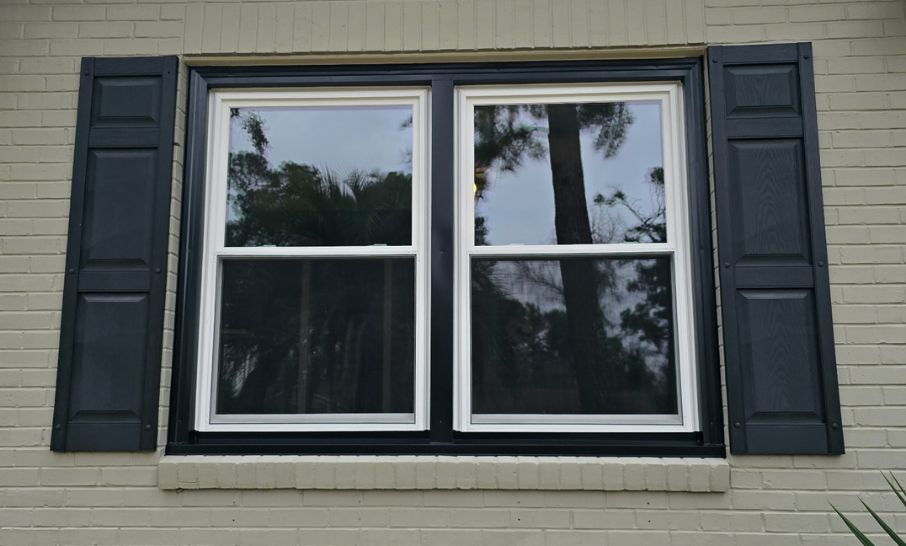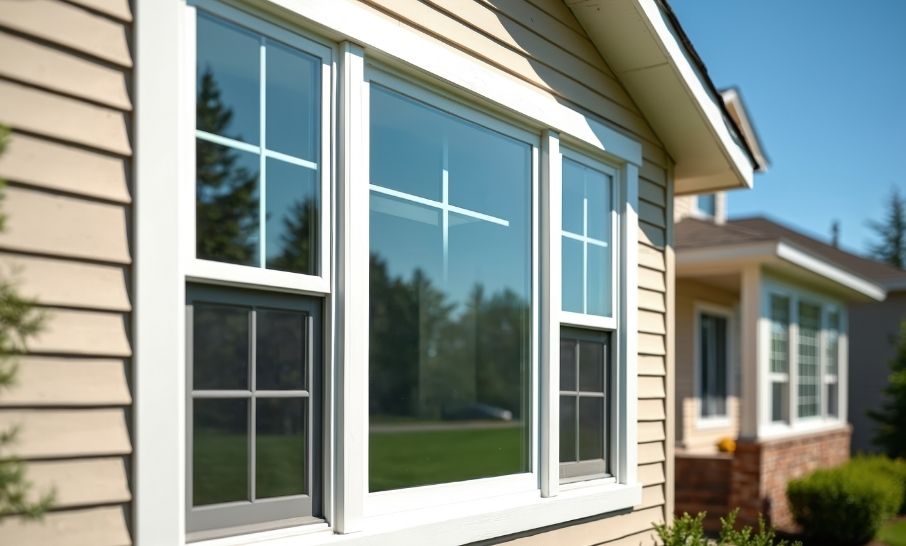
In many parts of the country, energy-efficient windows are about keeping heat in during the winter. In Charleston, it’s almost entirely the opposite. Our challenge is keeping heat out during a long, humid summer while not running the air conditioning harder than we have to.
The right windows help with that. The wrong ones quietly drive up energy bills and make certain rooms uncomfortable during the hottest months, regardless of how your HVAC system is set.
If you’re considering new windows, here’s what actually matters for energy efficiency in the Charleston climate.
Start with the Glass: Low-E Coating
Low-E stands for low emissivity, which refers to the glass’s ability to reflect radiant heat rather than absorb and transfer it. A thin metallic coating applied to the glass reflects a significant portion of solar heat before it enters the home while still allowing natural light through.
In a warm, sunny climate like Charleston’s, low-E glass is one of the single most impactful features you can look for. It reduces the heat load on your air conditioning system during the summer and helps maintain more consistent interior temperatures throughout the day.
Not all low-E coatings are the same. Products designed for warm climates block more solar heat gain than products designed for cold climates. When getting quotes, ask specifically about whether the product is suited for a hot, humid climate.
Pane Count and Gas Fill
Double-pane windows are the standard in most modern residential installations and represent a significant improvement over older single-pane glass. The gap between the two panes, typically filled with argon or krypton gas, acts as an additional insulating barrier that slows heat transfer.
Triple-pane windows are available and offer additional performance, though the cost increase is substantial. For most Charleston homes, a quality double-pane unit with low-E coating and argon fill provides strong efficiency without the premium of triple-pane glass.
The insulating gas matters most when the seals are intact. Failed seals — visible as fogginess or condensation between the panes — mean the gas has escaped and insulating performance has dropped significantly.
Solar Heat Gain Coefficient
Solar Heat Gain Coefficient (SHGC) is a rating that measures how much solar heat a window allows into the home. It runs from 0 to 1 — a lower number means less solar heat is transmitted through the glass.
For Charleston, a lower SHGC is generally better. The sun is intense here for most of the year, and windows that allow high solar heat gain work against your air conditioning during the summer months.
Energy Star certifies windows for specific climate zones. For South Carolina, look for the South/Central climate zone rating, which includes SHGC requirements designed for warm, high-solar climates.
Frame Material Matters Too
Glass gets most of the attention in energy efficiency discussions, but frame material also plays a role in thermal performance and long-term durability.
Vinyl frames are widely used and perform well in most applications. They don’t conduct heat and cold the way aluminum does, they’re resistant to moisture, and they don’t require painting — all characteristics that matter in Charleston’s humidity.
Fiberglass frames offer similar thermal performance to vinyl with additional dimensional stability — they don’t expand and contract as much with temperature changes, which helps maintain seals and weatherstripping over time.
Aluminum frames conduct heat readily and are generally not recommended for energy-efficient applications in warm climates unless they include a thermal break.
Window Orientation in Your Home
Where windows face in your home affects how much they need to work. South- and west-facing windows receive direct afternoon sun and are the primary contributors to solar heat gain in a Charleston home. Those windows benefit most from strong low-E coatings and lower SHGC ratings.
This is worth keeping in mind if you’re replacing windows in phases. Starting with the windows that face south and west, particularly on rooms that run hot in the afternoon, tends to produce the most noticeable impact on comfort and energy use.
Impact-Rated Windows and Efficiency
In coastal areas like Charleston, impact-rated windows are worth a conversation. These windows are designed to withstand high winds and flying debris without shattering, which matters during hurricane season. Many impact-rated products are also thermally efficient, combining storm protection with energy performance.
Impact windows can eliminate the need for separate storm shutters and may reduce insurance premiums depending on your coverage. If you’re already replacing windows for efficiency reasons, it’s worth asking whether impact-rated options make sense for your home’s exposure.
Frequently Asked Questions
The reduction depends on what you’re replacing. Upgrading from older single-pane or early double-pane windows with failed seals will produce more noticeable energy savings. Quality insulated windows with low-E coatings significantly reduce heat transfer through glass, reducing the load on air conditioning during summer.
Energy Star certifies windows that meet thermal performance criteria established by the EPA for specific climate zones. For South Carolina, look for the South/Central climate zone rating, which requires low SHGC and adequate insulating value for warm, sunny climates.
For most residential applications in the Charleston area, double-pane windows with quality low-E coatings and argon fill provide strong efficiency. Triple-pane windows offer additional performance, but the cost premium is significant, and the marginal improvement in a warm climate is less dramatic than in colder regions.
Many impact-rated windows do include energy-efficient features such as low-E coatings and insulated glass, but not all impact windows are automatically energy-efficient. Verify the thermal ratings of any impact product you’re considering.
Quality double-pane windows from reputable manufacturers typically last twenty to thirty years. The glass seals are often the first component to fail; look for manufacturers that offer longer seal warranties as an indicator of confidence in the product’s durability.
Getting the Right Windows for Charleston's Climate
The best energy-efficient windows in Charleston, SC, are not the same as those in northern Minnesota. What you need is glass and window frame specifications designed to handle the heat, humidity, and sun.
If you’re thinking about window replacement, Top Tier Home Improvement can walk you through the options that make sense for your home’s specific orientation and conditions. Get in touch for a free estimate. We install energy-efficient windows designed to perform in Charleston’s coastal climate.